RV Storage vs. Storing at Home: How to Choose the Best Option
Having an RV or boat means you can enjoy road trips, vacations, and outdoor adventures whenever you want. However, it isn’t easy to find the right spot to keep your vehicle when it is not in use. Should you keep it at home or at a dedicated storage facility?
Both options have benefits, depending on available space, budget, security requirements, and convenience. Knowing the difference between RV storage and home storage can help you make a practical decision while protecting your investment.
Factors to Consider Before Storing Your RV
Available Space and Parking Restrictions
It can be easy to store an RV or boat at home, but space can be a problem. Parking may be difficult due to large driveways, narrow streets, and limited backyards. There are also some homeowners associations (HOAs) and local ordinances that prohibit parking of recreational vehicles on residential land. Professional storage units have specific areas that can be used for larger vehicles. You don’t have to sacrifice your driveway or yard to find a good parking spot for your motorhome, travel trailer, or recreational boat.
For those who frequently require extra space for family vehicles or outdoor pursuits, RV storage might be a more practical option.
Security and Vehicle Protection
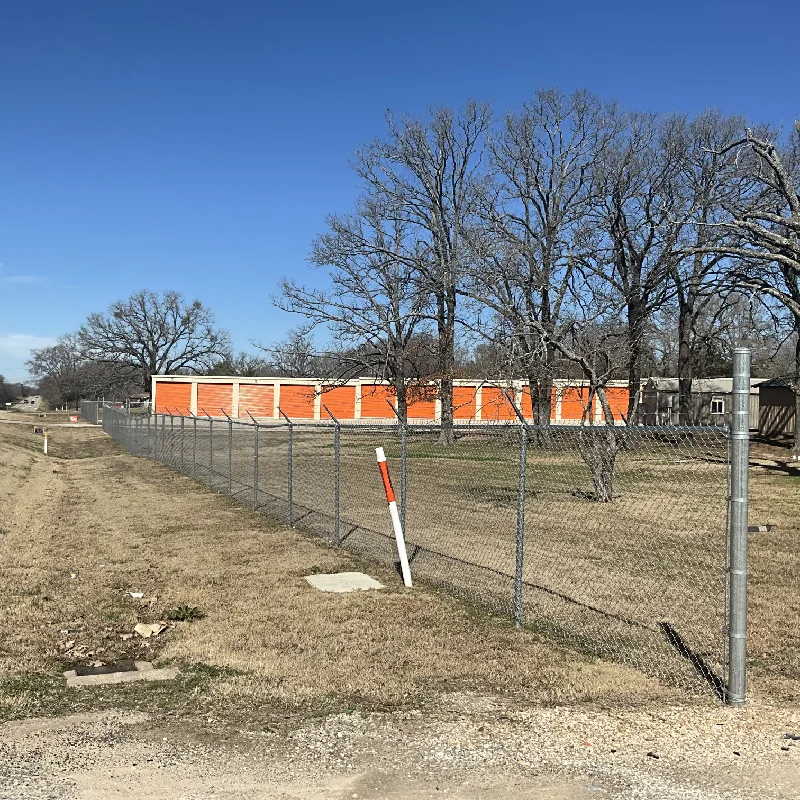
Security is also a crucial consideration when deciding on home or business storage. While having your RV at home gives you the benefit of watching it, residential driveways may not have any special security measures. A professional storage facility has gated access, security cameras, perimeter fencing, and controlled entry. These features are designed to deter unauthorized access and prevent the risk of theft or vandalism. This is the same for boat storage. Valuable equipment, electronics, and accessories are usually found on boats, which need to be protected when not in use.
Before choosing a facility, ask about its security measures and access policies.
Weather Protection and Maintenance
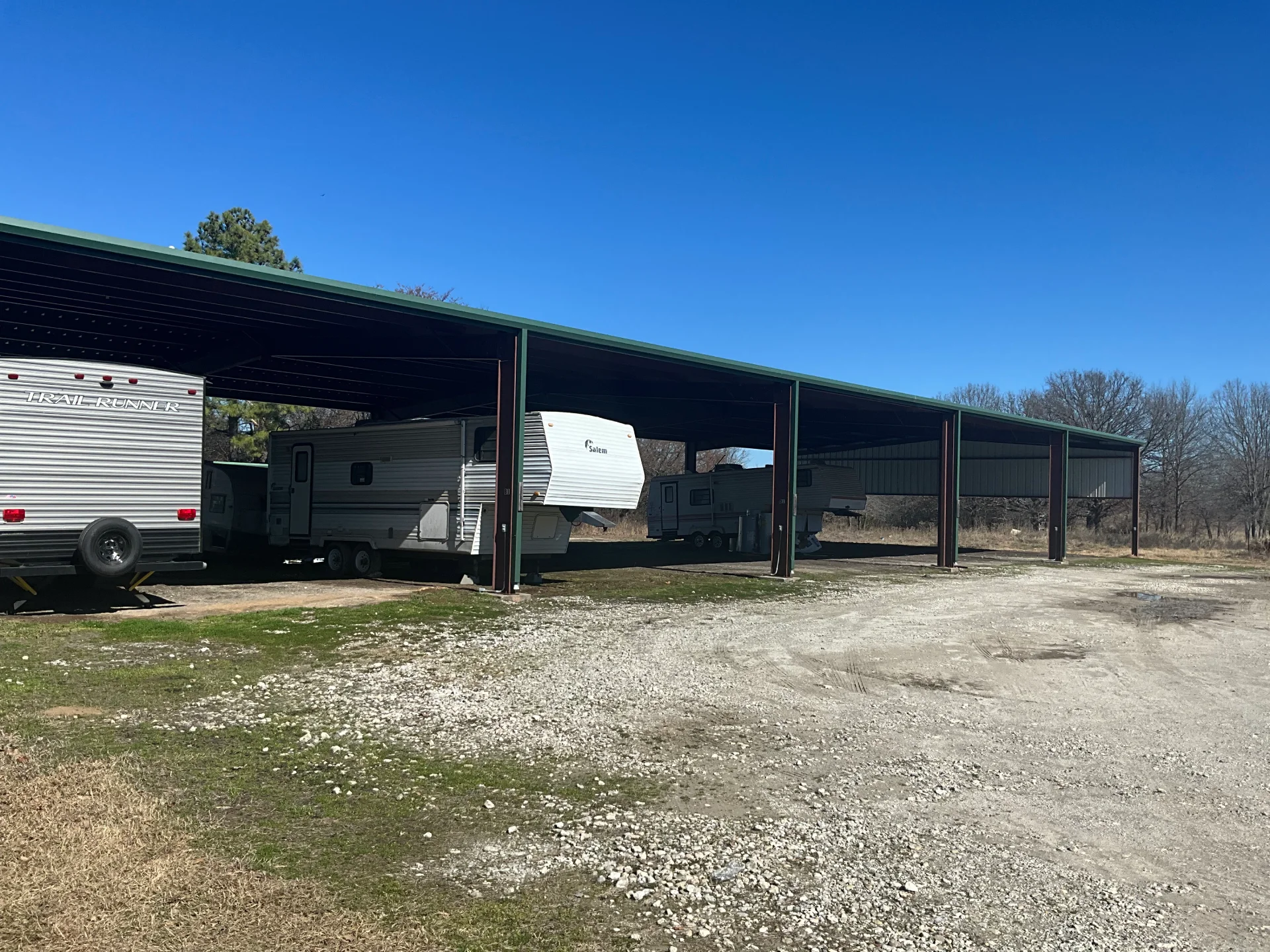
Texas’s climate is unpredictable. Direct sunlight, heavy rain, strong winds, and seasonal storms can damage your RV or boat over time. Leaving your car outside in the open can cause it to suffer from extended sun damage, fading, cracked seals, and moisture issues. A good storage facility will also provide covered or enclosed spaces for extra protection.
Covered RV storage is especially beneficial for protecting the roof, tires, paint, and exterior elements from continuous exposure. Covered and uncovered boat storage may also be available depending on the facility and budget and protection needs.
Cost and Long-Term Value
Home storage seems cheaper as you don’t have to pay monthly storage fees. But the real costs may involve driveway changes, parking, protective covers, and even property maintenance. Professional storage comes with regular fees, but the benefits can be worth it for the extra security, space, and vehicle protection.
Before making a decision, compare storage rates, contract terms, and amenities that are available. Furthermore, think about the cost of the repairs you would make if the weather damaged your roof or if there were other preventable problems. Not all of the cheapest options are the best. It is the one that is affordable and provides the right level of protection.
Convenience and Accessibility
Home storage allows you to easily get to your RV anytime. You can load supplies, assess equipment, and prepare for trips without traveling to another location. However, keeping an RV in the home can cause daily hassles, particularly regarding parking.
A professional storage facility provides a dedicated space for your recreational vehicle. Check for convenient access hours, easy vehicle maneuvering, and ample parking and retrieval space for your RV or boat. Select a facility that will work with your travel plans and make getting ready for your next adventure easier.
Key Takeaways
- Home storage may be convenient and may require space and parking limitations.
- More security features are available at professional facilities.
- Vehicles are protected from harsh weather conditions with covered storage.
- Compare monthly charges and maintenance or repair costs.
- Consider accessibility when choosing a storage location.
Summary
The decision to use professional storage or store your RV or boat at home is a matter of priorities. Home parking could be a viable option if there is enough space and local parking regulations are met. But professional storage can provide more efficient space utilization, extra security, and weather protection.
Before making a decision, consider your budget, vehicle size, and long-term storage needs.
Choose Texas Star Boat & RV Storage to Protect Your Investment
Looking for a convenient place to keep your recreational vehicle? Texas Star Boat & RV Storage provides storage for all your valuable vehicles when not in use. Choose a storage solution that provides you with more tranquility and space to enjoy your property. Call us today to learn about your storage options!
Frequently Asked Questions (FAQs)
1. Is it better to store an RV at home or in a storage facility?
It depends on your available space, budget, and security needs. Home storage is convenient if you have enough parking space and meet local regulations. A professional RV storage facility offers additional security, dedicated parking, and weather protection options.
2. What are the benefits of professional RV storage?
Professional RV storage provides dedicated parking spaces, gated access, security cameras, perimeter fencing, and covered or enclosed storage options. It also frees up space in your driveway or backyard.
3. Can I park my RV or boat at home in Texas?
Yes, you may be able to park your RV or boat at home if you have sufficient space. However, some Texas cities, neighborhoods, and homeowners associations have restrictions on recreational vehicle parking. Always check local ordinances and HOA rules before storing your vehicle at home.
4. Does covered RV storage protect my vehicle from weather damage?
Yes. Covered RV storage helps protect your vehicle from direct sunlight, rain, and other weather elements. It can reduce sun damage, paint fading, roof deterioration, and wear on exterior components.
5. Is professional RV storage worth the monthly cost?
Professional RV storage can be worth the investment because it provides additional security, convenient parking, and protection from weather-related damage. Comparing monthly fees with potential maintenance and repair costs can help you determine its long-term value.
6. What security features should I look for in an RV storage facility?
Look for important security features such as:
-
Gated entry and controlled access.
-
24/7 security cameras, if available.
-
Perimeter fencing.
-
Well-lit parking areas.
-
Clear access and facility security policies.
7. Is boat storage available at RV storage facilities?
Many dedicated RV and boat storage facilities offer parking options for both recreational vehicles and boats. Check available space dimensions, storage types, and facility amenities before choosing an option.
8. How do I choose the right RV storage option?
Consider your vehicle’s size, available parking space, budget, security requirements, weather protection needs, and accessibility. Choose between home storage and professional storage based on which option offers the best balance of convenience, protection, and long-term value.
Latest Posts